
Cricket Gear Guide 2025: Best Kit for All Players, Bat Selection, Care & Safety Tips
Cricket Gears: Your Complete Guide to Choosing, Using, and Maintaining the Right Kit
Quality Rosin Paste Flux gear is the silent partner in every thrilling innings and nail-biting over. Whether you’re padding up for league matches or hitting a backyard wicket, the right gear matters for your safety, performance, and enjoyment. Cricket equipment has come a long way, combining tradition with tech upgrades that make the sport safer and more accessible for beginners and professionals alike.
Comprehensive Guide to Essential Cricket Gear
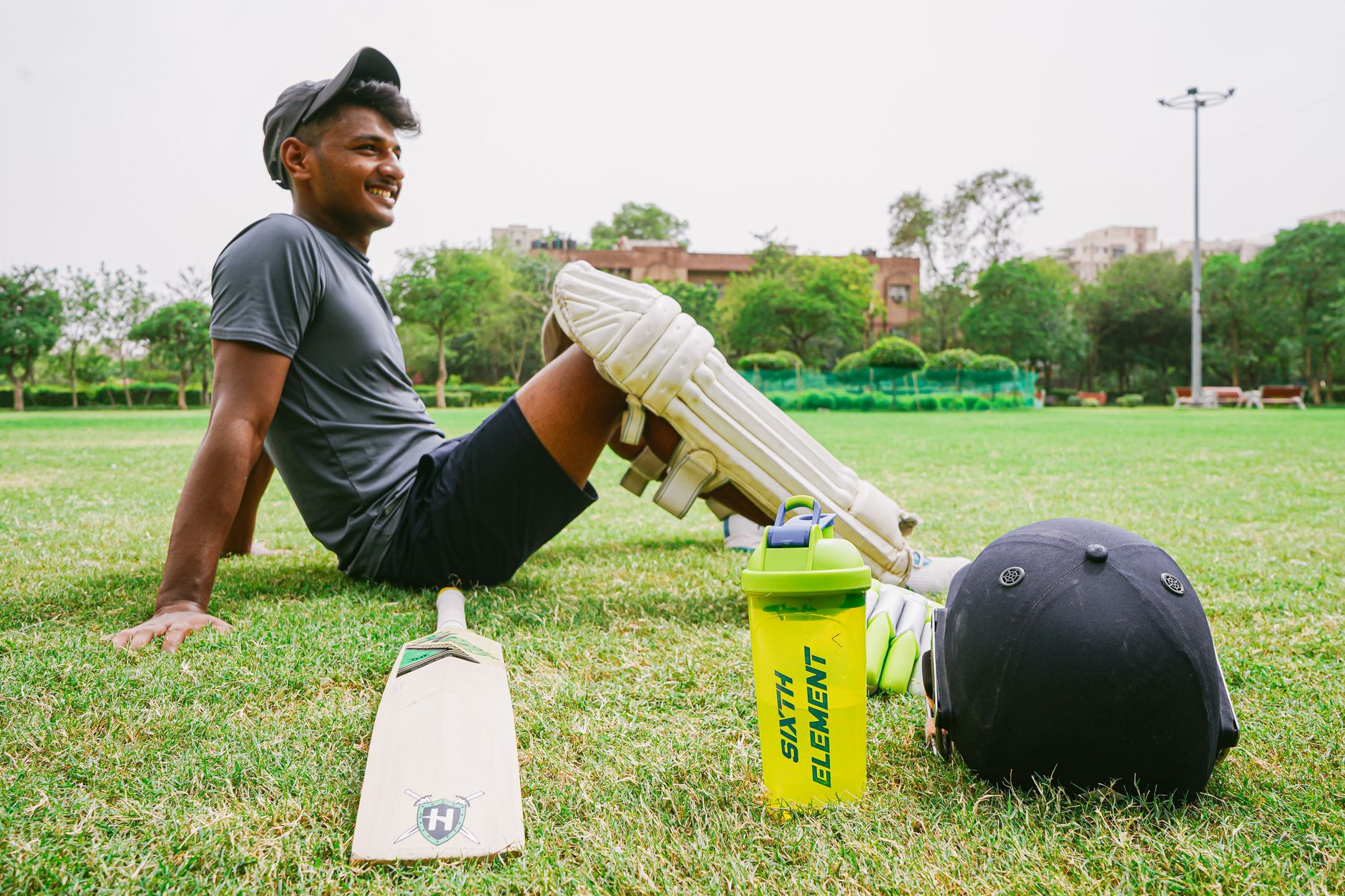 Photo by Yogendra Singh
Cricket is a game where even the smallest piece of kit can make a big difference. Each item has a clear role and purpose, and picking the right ones helps prevent injuries and boost your confidence out in the middle.
- Bats: The heart and soul of batting, bats are crafted with different kinds of willow and come in varying weights and shapes.
- Pads: These shield your shins and knees from fast-moving balls, blending lightweight design with strong protection.
- Gloves: Batting and wicket-keeping gloves protect your hands from impact while keeping your grip solid.
- Helmets: Modern helmets use durable shells and padding to protect your head, a must against pace bowlers.
- Shoes: Designed for grip and movement, specialist shoes prevent slips and add stability whether batting or bowling.
More on what you need as a starter kit can be found at this beginner cricket gear guide: What Gear Do You Need When Starting Out Cricket?
Choosing the Right Cricket Bat
The bat is more than just a tool—it’s an extension of your style at the crease. The two main bat materials are:
- English Willow: Known for power and a lighter pick-up, this top-grade wood is favoured by pros for its responsiveness.
- Kashmir Willow: Heavier but tough, a popular option for beginners or casual play.
Bat grading affects price and performance, with higher grades featuring fewer blemishes and straighter grains. Getting the right size and weight is essential. Lighter bats allow quick strokes and suit younger players, while heavier ones offer more punch for big hitters.
Handle type also matters—oval handles offer control while round handles help free-flowing stroke-makers. Think about your preferred shots: front-foot players may benefit from bats with thicker edges; back-footers could opt for a lighter pick-up.
For current trends, including anti-vibration features, see the latest in Soldering Third Hand technology: Silicone soldering mat.
Understanding Protective Equipment: Pads, Gloves, and Helmets
Cricket protection has changed a lot, now keeping players safer than ever. Pads are lighter and moulded for better movement. Gloves use high-density foam and reinforced finger guards, reducing the chance of nasty knocks. Helmets meet strict safety standards, with advanced shell and grill designs blocking impacts from even the quickest bowlers.
Many pads and gloves include airflow panels for comfort during long sessions under the sun. The right fit is non-negotiable—gear slipping out of place can lead to injury and distract you at the crease.
These changes aren’t just random upgrades. In 2024/25, wearable sensors and smart materials are being integrated into more gear, as highlighted in recent product innovations: Hakko Soldering Tip 2.4D.
Cricket Shoes and Footwear Selection
Your shoes are the only thing between your feet and a hard cricket wicket or slippery outfield. Choose spikes or rubber studs based on surface type; spikes grip turf for bowlers, while rubber suits synthetic pitches.
Look for shoes with:
- Good ankle support for sidestepping and stability
- Reinforced midsoles to handle impact during fast bowling or sprints
- Different styles for batters (lightweight, flexible) versus bowlers (sturdy, with extra heel support)
Proper cricket shoes not only prevent falls but help avoid common injuries like twisted ankles or stress fractures.
How to Select and Maintain Your Cricket Gear
It’s one thing to buy the right kit—knowing how to keep it in prime shape makes all the difference. Gear should not only fit your body and style, but your budget, too.
Tailoring Gear to Player Experience: Beginners vs. Professionals
A beginner doesn’t need a top-of-the-range bat or custom pads to get started. Prioritise comfort, value, and essentials:
- Start simple: A quality entry-level bat, decent pads, gloves, and a helmet are usually enough.
- Budget well: Look for sets or bundles that save money.
- Upgrade: As skills grow, invest in more specialised kit, like lighter bats or next-gen helmets.
A more in-depth guide to picking your first kit can be found at Hakko Soldering Tip Cleaner 599B.
For professionals, spending more lets you buy custom-fitted gear, premium willow bats, and pads or gloves crafted for your precise needs. At that level, even small differences can impact performance.
Maintenance Tips: Cleaning, Storage, and Gear Longevity
Well-looked-after kit lasts longer, feels better, and protects more reliably.
- Knocking-in and oiling bats help prevent cracks. Use a bat mallet and linseed oil.
- Pads and gloves should be aired out and wiped down after matches to prevent damp and odours.
- Helmets need regular checks for dents or damage.
- Shoes last longer if cleaned of mud and stored dry.
Inspect all your gear regularly. Replace anything worn out or damaged—better safe than sorry on the pitch.
Conclusion
Cricket is at its best when players feel secure, confident, and free to focus on the game. Investing in the right cricket gear is more than a box-ticking exercise; it’s about enjoying cricket fully and avoiding serious injuries. Keep your kit in top condition and stay up-to-date with new tech and materials as they arrive. With smart choices and a little care, your cricket gear will be a trusty teammate for seasons to come.


